Aarstiderne
About Aarstiderne
The work made for Aarstiderne runs to 1 verified project — mostly CustomerExperience, Shape and Development.
Trending project
Aarstiderne projects with the most verified people and teams


Inside the Aarstiderne network
The people, teams, and projects that make up the Aarstiderne network
Featured project
Aarstiderne.com Digital Customer Service
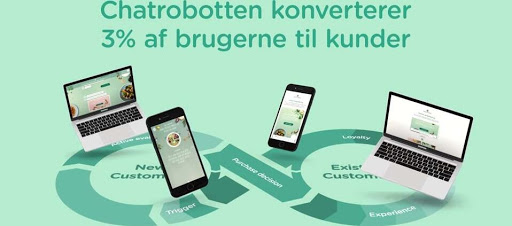
Since 1999, Aarstiderne has pioneered the market in Denmark for organic food and meal boxes. They are a digital start-up, with sustainability as the focal point, and you can thus call them a business that was ahead of their time. Today, the competitive situation is tougher in this area than ever before. There are plenty of solutions for fast meals, both online in the form of direct competitors, but also offline, where you can take meal solutions home - of high quality and with organic products - in supermarkets and kiosks like 7-Eleven. Thus, Aarstiderne faced, on the one hand, an increasing number of boxes to satisfy the increasing needs of the users, and on the other hand to convey a complex solution - with more than 60 different meal solutions in a simple way. Customers find it difficult to see the many solutions from the different providers, and at the same time have an increasing need to be inspired and explore different food universes. A specific problem is also that in many cases, customers choose a different provider when they want to try a new food style. So there is a real need to get this "churn" in the forefront, by offering users inspiration and ensuring that they have "landed" in the right meal box. The need to provide a service that not only aims to optimize conversion from meal box to basket but which guides and advises the user in the process towards uncovering and addressing the user's needs in the process - and which is at the same time playfully easy. The insights were summarized: Danes have become less competent in the kitchen and still have less time left for cooking. The market for fast, time-saving quality solutions is on the rise, and the need for quick, easy selection, customization, and tailor-made solutions is an ultimate requirement. The solution should be able to handle campaign elements that could attract potential customers' attention. Convert individual users faster when they were on the site and ensure better retention over time. That is why we have built 3 digital services on the same computer model. The data model: A complex algorithm has been developed, based on many years of data and experience with the customers, who in effect pair the different food profiles with optimal meal boxes. These may be items such as the amount of meat, the number of vegetables, cooking time, number of waxes and children in the household, or special diet. The interesting thing about computer model work is the insights that are a welcome by-product of the process. We recorded, for example, that many chose "without pork" and this led to Aarstiderne changing in the boxes. In addition, data from voters served as one of the many inputs to trends that Aarstiderne are working on when developing new boxes. Awareness element: Attracting new potential customers is through a campaign that shows the customer their food profile. You choose from 8 laps, between different plates, and thus get a primary, secondary, and tertiary recommendation. Here the algorithm and knowledge and the different users and eating habits are reflected in plates, where each plate is quantified with data (not something for which the user is predisposed). Based on 8 choices, we can most likely say which 3 meal boxes the potential customer should be exposed to. Conversion element: On the site, a chatbot has been implemented which asks the user a number of questions, including how many are in the household, whether to take into account children, how much meat, fish, and poultry typically consumed, etc. Based on the dialogue with the chatbot, a suggestion is given as to which meal boxes might be suitable. Retention as well as Winback element: When new customers try their meal box, someone discovers that for some reason it doesn't quite meet their needs. Here it is essential that Aarstiderne come to the field with a helping hand. Therefore, a trigger flow is created which, 3 weeks after the first meal box is sent, reveals whether the customer has arrived in the right meal solution. To this end, a landing page has been developed which presents you with various choices and priorities that guide you through to the right box. Former customers try to win back with the same type of communication, where the solution they are presented with is the same, but the wording is adapted. DANSK Baggrund Aarstiderne har siden 1999 pioneret markedet i Danmark for økologiske fødevarer og måltidskasser. De er en virksomhed, som er startet digitalt, og med bæredygtighed som omdrejningspunkt, og man kan dermed betegne dem som en virksomhed, som var forud for deres tid. I dag er konkurrencesituationen hårdere på området end nogensinde før. Der findes masser af løsninger for hurtige måltider, både online i form af direkte konkurrenter, men også offline, hvor man både i supermarkeder og kiosker som 7-Eleven, kan tage måltidsløsninger med hjem – af høj kvalitet og med økologiske produkter. Aarstiderne stod altså overfor, på den ene side et stigende antal kasser til at tilfredsstille de stigende behov hos brugerne, og på den anden side at formidle en kompleks løsning – med mere end 60 forskellige måltidsløsninger på en enkel måde. Kunderne har svært ved at overskue de mange løsninger fra de forskellige udbydere, og har samtidig et stigende behov for at blive inspireret og udforske forskellige maduniverser. En konkret problemstilling er også, at kunderne i mange tilfælde vælger en anden udbyder, når de får lyst til at prøve en ny madstil. Så der er et reelt behov for at komme denne ”churn” i forkøbet, ved at tilbyde brugerne inspiration og sikre, at de er ”havnet” i den rigtige måltidskasse. Behovet for at stille en tjeneste til rådighed, som ikke blot har til formål at optimere konvertering fra måltidskasse til kurv, men som guider og rådgiver brugeren i processen frem mod at afdække og afhjælpe brugerens behov i processen – og som samtidig er legende nem. Løsning Indsigterne var opsummeret: Danskerne er blevet mindre kompetente i køkkenet og har stadig mindre tid tilovers til madlavning. Markedet for hurtige kvalitetsløsninger, som er tidsbesparende, er stigende, og behovet for hurtigt og enkelt at kunne vælge, tilpasse og få en skræddersyet løsning er et ultimativt krav. Løsningen skulle kunne håndtere kampagneelementer som kunne tiltrække potentielle kunders opmærksomhed. Konvertere de enkelte brugere hurtigere, når de var på sitet, og sikre en bedre fastholdelse på sigt. Derfor har vi bygget 3 digitale services på den samme datamodel. Datamodellen: Der er udviklet en kompleks algoritme, på baggrund af mange års data og erfaring med kunderne, som reelt set parrer de forskellige madprofiler med optimale måltidskasser. Det kan være elementer som mængden af kød, mængden af grøntsager, tilberedningstid, antal vokse og børn i husstanden eller særlig diæt. Det interessante ved datamodelarbejdet er de indsigter, der er et kærkomment biprodukt af processen. Vi registrerede fx at mange valgte "uden svinekød" og det førte til, at Aarstiderne ændrede i kasserne. Derudover fungerede data fra vælgerne som et af de mange input til trends, som Aarstiderne arbejder med, når de skal videreudvikle nye kasser. Awareness-element: Tiltrækningen af nye potentielle kunder foregår via en kampagne, som viser kunden deres madprofil. Man vælger af 8 omgange, mellem forskellige tallerkner, og får dermed en primær, sekundær og tertiær anbefaling. Her er algoritmen og viden og de forskellige brugere og madvaner afspejlet i tallerkner, hvor hver tallerken er kvantificeret med data (ikke noget som brugeren bliver disponeret for). På baggrund af 8 valg, kan vi med høj sandsynlighed sige, hvilke 3 måltidskasse den potentielle kunde skal eksponeres for. Konverteringselement: På sitet er der implementeret en chatbot, som stiller brugeren en række spørgsmål, herunder, hvor mange der er i husstanden, om der skal tages hensyn til børn, hvor meget kød, fisk og fjerkræ, der typisk konsumeres m.m. På baggrund af dialogen med chatbotten, bliver der givet et forslag til, hvilke måltidskasser, der kunne passe. Fastholdelses samt Winback-element: Når nye kunder får prøvet deres måltidskasse, opdager nogen, at den af en eller anden grund ikke svarer helt til deres behov. Her er det væsentligt, at Aarstiderne kommer på banen med en hjælpende hånd. Derfor er der skabt et triggerflow som 3 uger efter første måltidskasse er sendt, afdækker om kunden er havnet i den rette måltidsløsning. Hertil er der udviklet en landingpage, hvor man bliver præsenteret for forskellige valgmuligheder og prioriteringer, som guider én igennem til den rigtige kasse. Tidligere kunder forsøges vundet tilbage med samme type kommunikation, hvor løsningen de bliver præsenteret for, er den samme, men ordlyden er tilpasset. Resultat Initiativet har skabt en performance ud over alle forventninger. Efter 40.000 gen-profileringer ifm. 3-ugers-mailen var churn-rate 14% lavere end kontrolgruppen efter en 6 måneders periode. Det i et ellers stærkt konkurrencepræget marked, med lave barrierer for skift mellem udbydere. Win-back kampagnen, som har til formål at konvertere tidligere kunder til købende kunder, har en konvertering på ca. 4%. I forhold til win-back kampagnen bruges permissions og Facebook som primære kanaler, og der er en return on ad-spend (ROAS) på 300%. Det nyeste element på sitet, som er chatbotten, som blev lanceret medio januar. Allerede en måneds tid efter lancering ser vi en konvertering fra chat til kunde på 3%. Alt i alt er løsningen mere end et projekt. Det er et bevis på, hvordan man med relativt få midler, kan etablere en stærk datadreven løsningen, som har uanede muligheder for eksekvering af kreative løsninger på tværs af kunderejsen. (English translation + Google translate) Background Since 1999, Aarstiderne have pioneered the market in Denmark for organic food and meal boxes. They are a digital start-up, with sustainability as the focal point, and you can thus call them a business that was ahead of their time. Today, the competitive situation is tougher in this area than ever before. There are plenty of solutions for fast meals, both online in the form of direct competitors, but also offline, where you can take meal solutions home - of high quality and with organic products - in supermarkets and kiosks like 7-Eleven. Thus, Aarstiderne faced, on the one hand, an increasing number of boxes to satisfy the increasing needs of the users, and on the other hand to convey a complex solution - with more than 60 different meal solutions in a simple way. Customers find it difficult to see the many solutions from the different providers, and at the same time have an increasing need to be inspired and explore different food universes. A specific problem is also that in many cases, customers choose a different provider when they want to try a new food style. So there is a real need to get this "churn" in the forefront, by offering users inspiration and ensuring that they have "landed" in the right meal box. The need to provide a service that not only aims to optimize conversion from meal box to basket, but which guides and advises the user in the process towards uncovering and addressing the user's needs in the process - and which is at the same time playfully easy. Solution The insights were summarized: Danes have become less competent in the kitchen and still have less time left for cooking. The market for fast, time-saving quality solutions is on the rise, and the need for quick, easy selection, customization and tailor-made solutions is an ultimate requirement. The solution should be able to handle campaign elements that could attract potential customers' attention. Convert individual users faster when they were on the site and ensure better retention over time. That is why we have built 3 digital services on the same computer model. The data model: A complex algorithm has been developed, based on many years of data and experience with the customers, who in effect pair the different food profiles with optimal meal boxes. These may be items such as the amount of meat, the amount of vegetables, cooking time, number of waxes and children in the household, or special diet. The interesting thing about computer model work is the insights that are a welcome by-product of the process. We recorded, for example, that many chose "without pork" and this led to Aarstiderne changing in the boxes. In addition, data from voters served as one of the many inputs to trends that Aarstiderne are working on when developing new boxes. Awareness element: Attracting new potential customers is through a campaign that shows the customer their food profile. You choose from 8 laps, between different plates, and thus get a primary, secondary and tertiary recommendation. Here the algorithm and knowledge and the different users and eating habits are reflected in plates, where each plate is quantified with data (not something for which the user is predisposed). Based on 8 choices, we can most likely say which 3 meal boxes the potential customer should be exposed to. Conversion element: On the site, a chatbot has been implemented which asks the user a number of questions, including how many are in the household, whether to take into account children, how much meat, fish and poultry typically consumed etc. Based on the dialogue with the chat bot, a suggestion is given as to which meal boxes might be suitable. Retention as well as Winback element: When new customers try their meal box, someone discovers that for some reason it doesn't quite meet their needs. Here it is essential that Aarstiderne come to the field with a helping hand. Therefore, a trigger flow is created which, 3 weeks after the first meal box is sent, reveals whether the customer has arrived in the right meal solution. To this end, a landing page has been developed which presents you with various choices and priorities that guide you through to the right box. Former customers try to win back with the same type of communication, where the solution they are presented with is the same, but the wording is adapted. Result The initiative has created a performance beyond all expectations. After 40,000 gene profiling according to The 3-week mail churn rate was 14% lower than the control group after a 6-month period. This in an otherwise highly competitive market, with low barriers to switching between providers. The win-back campaign, which aims to convert former customers to purchasing customers, has a conversion of approx. 4%. Compared to the win-back campaign, permissions and Facebook are used as primary channels and there is a return on ad-spend (ROAS) of 300%. The newest element of the site, which is the chat bot, launched in mid-January. Already a month after launch, we are seeing a 3% conversion from chat to customer. All in all, the solution is more than a project. It is proof of how, with relatively few funds, one can establish a powerful data-driven solution that has endless possibilities for executing creative solutions across the customer journey.