Accounts
Trending project
Accounts projects with the most verified people and teams

Featured project
Deloitte – FACT
For seven years, Deloitte used a proprietary application to prepare annual reports and tax booklets for their clients. When the application was implemented it was a good system, but over time the development started to run from it. The end product (reports) was good, but the path from the customer's raw balance to the final report was not optimal. The process was advanced, preferably manual and slow. The application was based on Excel and Word and required local installation on employees' computers. The users' needs quickly explained that the solution should be browser-based and that it should be lightning fast so that no time was wasted waiting. Load time became an important KPI, as was the desire to remove the generation time, so the reports were always live-updated. In the development phase, we went on a hunt in the actual report preparation process to identify where the biggest gains lay. We worked with inspiration from the Double Diamond model and started by doing an “as-is to-be” analysis. Here is a preview of the solution from A to Z, focusing on the most important elements: It all starts with the customer submitting his raw balance to the accountant who uploads it to the system. It must then be linked to Deloitte's standard account plan. This means that the accountant can work with the figures on an account plan she/he knows in advance and therefore does not need to know what is behind, for example, account 9001 in the client's account plan. To support this process, Deloitte's consulting business developed a subcomponent called "Cleaner Mapper". The component automatically cleans the raw balance, which is a time-saving factor. In addition, Cleaner Mapper uses machine learning to automatically provide a qualified bid for the customer's charting plan to Deloitte's standard chart of accounts. This has historically been a manual and very time-consuming process for new customers, which is now significantly improved by the use of intelligent algorithms that can improve and improve over time (supervised learning). Once the chart of accounts has been formed, the auditor can now create the report. The system is "trained" by a professional team to select the content that is relevant based on the figures in the chart of accounts. The system, therefore "writes" a draft report based on the Danish Financial Statements Act, which the professional team has "learned" to do. The auditor is now working on the report in the advanced editor. The concept is "what you see is what you get" so that the auditor can expect the completed pdf report to have page breaks, word divisions, etc. exactly the same place as in the editor. The system guides the auditor with various checks and warnings, e.g. lack of internal consistency in the report, lack of legally required sections of the report, etc., which is a crucial built-in control to ensure proper preparation of accounts and compliance with rules/legislation. When the auditor is satisfied, he/she can invite a colleague to review the content with two clicks. The system can also emphasize to the reviewer, where the content if any, differs from the standard report. When the report is complete, it is reported to the Danish Business Authority. The large amount of data in the solution can be accessed centrally and thus used for value-adding business purposes. DANSK Baggrund I syv år benyttede Deloitte en egenudviklet applikation til at udarbejde årsrapporter og skattehæfter for deres kunder. Da applikationen blev implementeret var det et godt system, men med tiden begyndte udviklingen at løbe fra det. Slutproduktet (rapporterne) var godt, men vejen fra kundens råbalance til den færdige rapport var ikke optimal. Processen var avanceret, fortrinsvis manuel og langsommelig. Applikationen var baseret på Excel og Word, og krævede lokal installation på medarbejdernes computere. Det medførte en række udfordringer: Computernes styresystemer kunne ikke opdateres uden hensynstagen til applikationen. For at opretholde kompatibilitet med nye styresystemer og versioner af Microsoft Office, blev applikationen løbende “lappet”. Det medførte, at applikationen gradvist blev ustabil, og det skete at applikationen “crashede”. Applikationen behandlede råbalancer og rapporter som faste filer, der skulle ligge på et separat drev. For at kunne arbejde med filerne, blev der oprettet en kopi, og der var ingen mulighed for at se, hvem der arbejdede i de forskellige filer. Det gjorde samarbejdet omkring rapportudarbejdelsen vanskeligt og havde den konsekvens, at filerne nogle gange blev overskrevet ved en fejl. Kunders regnskabsdata blev opbevaret i filer, som ikke ”talte sammen” og blev arkiveret hver for sig. Herved blev det næsten umuligt at arbejde strategisk med de værdifulde data, både til interne og markedsvendte formål. Ud over de tekniske udfordringer, var der nogle forretningsmæssige udfordringer: Det krævede investering i uddannelse og en del learning-by-doing for at kunne lære at udarbejde en rapport. Det betød også, at partnere og specialister, der ikke selv havde fingrene i applikationen hver dag, tabte deres kompetencer i den. Linket mellem råbalance og rapport var lavet på en uhensigtsmæssig måde. Hver gang en revisor lavede en rettelse i råbalancen, skulle rapporten regenereres for at man kunne se effekten i rapporten. Dette tog fra 2-10 minutter afhængig af rapportens størrelse. Da en revisor typisk skulle generere en rapport 3-10 gange under hele udarbejdelsesprocessen, var dette forbundet med stor frustration. Når der skulle udarbejdes nye rapporttyper krævede det involvering af en programmør og arbejdsgangene var meget tunge og med stor personafhængighed. Udover at skabe flaskehalse i udviklingsarbejdet, så udgjorde personafhængigheden også en forretningsmæssig risiko. Det primære formål med at udvikle en ny løsning, var at mindske tidsforbruget ved udarbejdelse af rapporter og på udvikling af nye rapporttyper. Herudover var det en målsætning at nedbringe den påkrævede tid til uddannelse og muliggøre udnyttelse af de mange data i rapporterne og på tværs af disse. Løsning Brugernes behov afklarede hurtigt, at løsningen skulle være browserbaseret, og at den skulle være lynhurtig, så der ikke blev spildt tid på at vente. Loadtime blev et vigtigt KPI, ligesom det var et ønske at fjerne genereringstiden, så rapporterne altid var live-opdaterede. I udviklingsfasen gik vi på jagt i selve processen for rapportudarbejdelse for at identificere, hvor de største gevinster lå. Vi arbejdede med inspiration fra Double Diamond-modellen og startede med at lave en “as-is to-be”-analyse. Her følger en gennemgang af løsningen fra A til Å med fokus på de vigtigste elementer: Det hele starter med at kunden afleverer sin råbalance til revisoren, der uploader den til systemet. Herefter skal den forbindes til Deloittes standardkontoplan. Det betyder, at revisoren kan arbejde med tallene på en kontoplan hun/han kender i forvejen, og derfor ikke behøver vide, hvad der gemmer sig bag eksempelvis konto 9001 i kundens kontoplan. Til at understøtte denne proces udviklede Deloittes konsulentforretning et delkomponent kaldet ”Cleaner Mapper”. Komponenten renser automatisk råbalancen, hvilket er en tidsbesparende faktor. Derudover bruger Cleaner Mapper machine learning til automatisk at give et kvalificeret bud på opmapning af kundens kontoplan til Deloitte-standardkontoplan. Dette var historisk en manuel og meget tidskrævende proces på nye kunder, som nu bliver markant forbedret ved brug af intelligente algoritmer, der kan blive bedre og bedre over tid (supervised learning). Så snart kontoplanen er dannet kan revisoren nu oprette rapporten. Systemet er “trænet” af et fagligt team til vælge det indhold, der på baggrund af tallene i kontoplanen er relevant. Systemet “skriver” altså et udkast til rapporten med udgangspunkt i årsregnskabsloven, som det faglige team har “lært” det at gøre. Revisoren arbejder nu videre med rapporten i avanceret editor. Konceptet er “what you see is what you get” sådan at revisoren kan regne med, at den færdige pdf-rapport har sideskift, orddelinger mv. præcis samme sted som i editoren. Systemet guider revisoren med forskellige checks og advarsler, f.eks. manglende intern sammenhæng i rapporten, manglende lovkrævede afsnit i rapporten mv., hvilket er en afgørende indbygget kontrol til at sikre korrekt regnskabsudarbejdelse og overholdelse af regler/lovgivning. Når revisoren er tilfreds kan hun/han med to klik invitere en kollega til at reviewe indholdet. Systemet kan samtidig fremhæve over for revieweren, hvor indholdet evt. afviger fra standardrapporten. Når rapporten er færdig indberettes den til Erhvervsstyrelsen. De store mængder data i løsningen kan tilgås centralt og således bruges til værdiskabende forretningsformål. Resultat I Deloitte udarbejdes der mere end 30.000 rapporter årligt, hvorfor selv mindre tidsbesparelser pr. rapport har en markant effekt. Udviklingen af systemet har været en stor investering, og det er således glædeligt at se, at effektivitetsforbedringerne allerede materialiserer sig. Hvor det tidligere i gennemsnit tog 1,5 – 2,0 timer at udfærdige en ukompliceret årsrapport, tager det nu kun ca. 0,5 – 1,0 time. Arbejdet med at rense råbalancer og mappe til standardkontoplanen kunne tage 2-3 timer. I den nye proces forventer vi at kunne reducere tidsforbruget med 60-70 %. Tidligere krævede det en dags uddannelse at opnå kompetence til at udfærdige en rapport. Ved end-to-end test af det nye system blev det demonstreret, at en revisor kunne lære at lave en rapport på 30 minutter. Deloitte har således udrullet den nye applikation uden central træning af ca. 800 revisorer, men derimod med adgang til en række self-service learningvideoer. I forbindelse med end-to-end scorede systemet 4,3 point ud af 5 mulige (anonym undersøgelse). Det nye system har muliggjort, at nye rapporttyper kan udarbejdes af medarbejdere, der ikke behøver særlige it-kompetencer. Det er således muligt at tage medarbejdere ud af ”produktionen” og arbejde med udvikling af rapporttyperne efter en meget kort introduktion, hvilket har øget fleksibiliteten i processen. Samtidig er afhængigheden af enkeltpersoner nærmest minimeret til 0. ”Lanceringen af FACT har været en stor succes i vores forretning. Dels har vores revisorer set meget frem til et nyt og fremtidssikret system, ligesom det har været overraskende nemt at onboarde vores medarbejdere i den nye applikation. Dette skyldes i høj grad den meget intuitive brugerflade og navigation i systemet, ligesom vores fokus på self-learning har båret frugt. Vi ser allerede nu gevinsterne af systemet. Selvom vi stadig er i første regnskabssæson, hvor systemet anvendes, hører vi mange lokale succeshistorier, hvor vores revisorer har effektiviseret deres arbejde med regnskabsudarbejdelsen i forhold til tidligere. Samtidig får vi mange positive tilbagemeldinger fra forretningen, hvor revisorerne udtrykker stor glæde ved det nye system. Vi går nu ind i næste fase af udviklingen, hvor vi skal arbejde med at høste fordelene af vores nye applikation endnu mere. Dette retter sig primært mod de strategiske muligheder som opstår ved at data er blevet samlet i centrale databaser, ligesom vi fortsat ser store muligheder i at anvende applikationen til at optimere flere af vores omkringliggende processer i forbindelse med udarbejdelse af årsregnskaber og andre rapporter.” (English translation + Google translate) Background For seven years, Deloitte used a proprietary application to prepare annual reports and tax booklets for their clients. When the application was implemented it was a good system, but over time the development started to run from it. The end product (reports) was good, but the path from the customer's raw balance to the final report was not optimal. The process was advanced, preferably manual and slow. The application was based on Excel and Word, and required local installation on employees' computers. This posed a number of challenges: The computer operating systems could not be updated without regard to the application. In order to maintain compatibility with new operating systems and versions of Microsoft Office, the application was "patched" on an ongoing basis. As a result, the application gradually became unstable, and it happened that the application "crashed". The application treated raw balances and reports as fixed files that should be on a separate drive. In order to work with the files, a copy was created and there was no way to see who worked in the various files. This made collaboration around report preparation difficult and had the consequence that the files were sometimes overwritten by mistake. Customers' accounting data was stored in files that did not "talk together" and were filed separately. This made it almost impossible to work strategically with the valuable data, both for internal and market-oriented purposes. In addition to the technical challenges, there were some business challenges: It required investment in education and some learning-by-doing to learn how to prepare a report. It also meant that partners and specialists who did not have their fingers in the application every day lost their skills in it. The link between raw balance and report was made in an inappropriate way. Each time an accountant made a correction in the raw balance sheet, the report had to be regenerated in order to see the effect in the report. This took from 2-10 minutes depending on the size of the report. As an accountant typically had to generate a report 3-10 times throughout the drafting process, this was associated with great frustration. When drafting new report types, it required the involvement of a programmer and the workflows were very heavy and with a great deal of dependency on people. In addition to creating bottlenecks in development work, personal dependence also posed a business risk. The primary purpose of developing a new solution was to reduce the time spent preparing reports and developing new types of reports. In addition, the goal was to reduce the time required for training and to make use of the many data in the reports and across these. Solution The users' needs quickly explained that the solution should be browser-based and that it should be lightning fast so that no time was wasted waiting. Load time became an important KPI, as was the desire to remove the generation time, so the reports were always live-updated. In the development phase, we went on a hunt in the actual report preparation process to identify where the biggest gains lay. We worked with inspiration from the Double Diamond model and started by doing an “as-is to-be” analysis. Here is a review of the solution from A to Z, focusing on the most important elements: It all starts with the customer submitting his raw balance to the accountant who uploads it to the system. It must then be linked to Deloitte's standard account plan. This means that the accountant can work with the figures on an account plan she / he knows in advance, and therefore does not need to know what is behind, for example, account 9001 in the client's account plan. To support this process, Deloitte's consulting business developed a subcomponent called "Cleaner Mapper". The component automatically cleans the raw balance, which is a time-saving factor. In addition, Cleaner Mapper uses machine learning to automatically provide a qualified bid for the customer's charting plan to Deloitte's standard chart of accounts. This has historically been a manual and very time-consuming process for new customers, which is now significantly improved by the use of intelligent algorithms that can improve and improve over time (supervised learning). Once the chart of accounts has been formed, the auditor can now create the report. The system is "trained" by a professional team to select the content that is relevant based on the figures in the chart of accounts. The system therefore "writes" a draft report based on the Danish Financial Statements Act, which the professional team has "learned" to do. The auditor is now working on the report in the advanced editor. The concept is "what you see is what you get" so that the auditor can expect the completed pdf report to have page breaks, word divisions, etc. exactly the same place as in the editor. The system guides the auditor with various checks and warnings, e.g. lack of internal consistency in the report, lack of legally required sections of the report, etc., which is a crucial built-in control to ensure proper preparation of accounts and compliance with rules / legislation. When the auditor is satisfied, he / she can invite a colleague to review the content with two clicks. The system can also emphasize to the reviewer, where the content, if any. differs from the standard report. When the report is complete, it is reported to the Danish Business Authority. The large amount of data in the solution can be accessed centrally and thus used for value-adding business purposes. Result In Deloitte, more than 30,000 reports are prepared annually, which is why even less time savings per year. report has a significant effect. The development of the system has been a major investment and it is therefore gratifying to see that the efficiency improvements are already materializing. Where it previously took an average of 1.5 - 2.0 hours to prepare an uncomplicated annual report, it now only takes approx. 0.5 - 1.0 hour. The work of cleaning raw balances and folder for the standard account plan could take 2-3 hours. In the new process, we expect to be able to reduce time consumption by 60-70%. Previously, it took a day's training to gain the competence to prepare a report. End-to-end testing of the new system demonstrated that an accountant could learn to make a 30-minute report. Deloitte has thus rolled out the new application without central training of approx. 800 auditors, but with access to a number of self-service learning videos. For the end-to-end, the system scored 4.3 points out of 5 possible (anonymous survey). The new system has enabled new types of reports to be prepared by employees who do not need special IT skills. Thus, it is possible to take employees out of "production" and work on developing the report types after a very brief introduction, which has increased the flexibility of the process. At the same time, dependence on individuals is almost minimized to 0. ”The launch of FACT has been a great success in our business. On the other hand, our accountants have been very much looking forward to a new and future-proof system, and it has been surprisingly easy to board our employees in the new application. This is largely due to the very intuitive user interface and navigation of the system, just as our focus on self-learning has borne fruit. We are already seeing the benefits of the system. Although we are still in the first accounting season in which the system is used, we hear many local success stories where our accountants have streamlined their work on the preparation of accounts compared to previous ones. At the same time, we receive many positive feedback from the business, where the auditors express great joy in the new system.We are now entering the next phase of development, where we will work to reap the benefits of our new application even more. This is primarily aimed at the strategic opportunities that arise from data being collected in central databases, and we continue to see great opportunities in using the application to optimize several of our surrounding processes in connection with the preparation of financial statements and other reports. "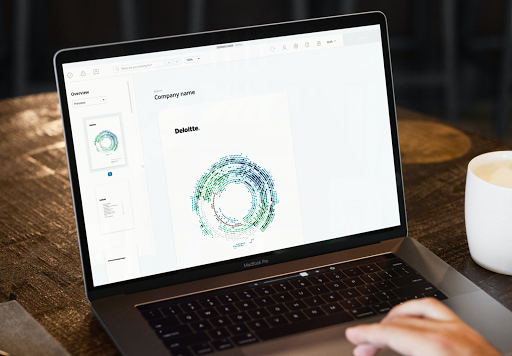
Highlighted brands
