Stofa
About Stofa
The work made for Stofa runs to 3 verified projects — mostly SocialMedia, DDA2021 and Campaign.
Trending projects
Stofa projects with the most verified people and teams


Inside the Stofa network
The people, teams, and projects that make up the Stofa network
Featured project
An Ad For An Ad
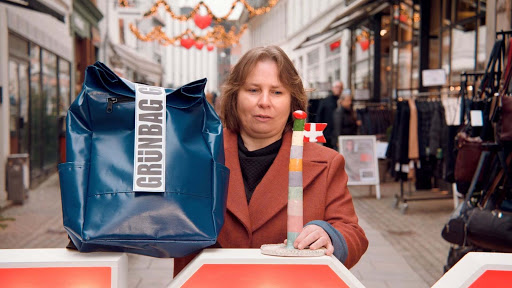
The campaign "An Ad For An Ad" is an untraditional influencer campaign that used Stofa's generic opening offer as a creative springboard. Through an extensive research phase, we found 25 locally known store owners, and each gave them their advertising campaign to promote their own products on digital platforms. Each store owner had to direct the films exactly as they wished, but with one requirement that their offer of fishing rods, cakes or what they now sold should correspond to 1,796 kroner - exactly the amount that the citizens of the central and northern Jutland cities could save by choosing Stofa and get 3 months free creation. In other words, the creative concept was based on a good old-fashioned barter, where Stofa exchanged a lot of advertising time for a North Jutland blue stamp which was usually difficult to achieve. Credits from: https://danishdigitalaward.dk/projekt/an-ad-for-an-ad/ Baggrund Hvad sker der når en nylig fusion tvinger dig til at opsige 110.000 eksisterende kunder i et geografisk område, hvor dit brand ingen forankring har? Svaret er et kommercielt masseslagsmål i milliard-klassen, hvor alle aktører øjner den helt store gevinst. Det lyder dramatisk, men det var præcis sådan situationen var, da Konkurrence- og Forbrugerstyrelsen bad Norlys om at opsige 110.000 internet- og TV-kunder efter deres nylige fusion med Eniig, grundet lovgivningen om fri konkurrence. En opsigelse der fra den ene dag til den anden ville betyde, at Norlys-koncernen over kundernes levetid ville miste en profit i milliard-klassen. Først efter alle kunderne var blevet opsagt, kunne Norlys under Stofa-brandet forsøge at generhverve de tabte kunder og mindske den økonomiske blødning. Dermed var det altså ikke blot en kæmpe stor anti-churn-opgave som Stofa stod over for. Stofa måtte nemlig på lige fod med alle konkurrenterne, kæmpe om de faldne kunders gunst. Konkurrence var der nok af, for når der i en produktkategori, der som denne er kendetegnet af lav involvering og mobilitet, pludselig bliver frigivet 110.000 kunder på en gang, så står alle internet-udbydere klar på spring med fråde om munden. En artikel i Berlingske beskriver blandt andet situationen, som “den største frie jagt i nyere tid på danske TV- og bredbåndskunder” og en “kæmpe jagtmark hvor hustandende bliver bombarderet med tilbud”. Det betød blandt andet, at flere konkurrenter var ude og tilbyde det første år helt gratis. Og som om opgaven ikke var svær nok i forvejen, så var Nordjylland, hvor de fleste Eniig kunder befandt sig, bestemt ikke det område hvor Stofa-brandet stod stærkest - tværtimod. Stofa havde nemlig ikke tidligere været til stede i området, og skulle derfor først og fremmest introducere sig selv til Nordjylland, samtidig med at de skulle generhverve de mange kunder. Bestemt ingen let opgave - især når Stofa ofte blev set som den store upersonlige aktør uden lokal forankring, og hverken var billigst eller tilbød de hurtigste internethastigheder i forhold til deres konkurrenter. Således var en næsten umulig opgave kridtet op: Hvordan kunne vi introducere Stofa til en helt ny landsdel og samtidig generobre de 110.000 tabte kunder med en product- og price-offering der langt fra var den bedste i markedet? Løsning Der var med andre ord åben jagt på de mange fritstillede forbrugere, og det foretrukne våben var generisk kommunikation med pris og internethastigheder som omdrejningspunkt. Skulle Stofa gøre sig forhåbninger om at indhente det tabte, måtte der tænkes kreativt. Gennem indsigtsarbejdet stod det hurtigt klart, at der i sympati med det lokale erhvervsliv ofte blev kigget skævt til store nationale brands som Stofa, når de gjorde deres storstilede indtog i et nyt område. Det stod dog også klart, at hvad den ene manglede, havde den anden. For hvad de lokale erhvervsdrivende manglede af marketingskræfter, havde Stofa, og hvad Stofa manglede af nordjysk goodwill, havde de lokale erhvervsdrivende. Så frem for at se begrænsninger så vi muligheder, og byggede derfor strategien på en hyperlokal tilgang, der på en og samme tid både hjalp det lokale erhvervsliv og gjorde Stofa lidt mere nordjysk. Løsningen blev kampagnen “An Ad For An Ad”. En utraditionel influencer-kampagne, der brugte Stofas generiske åbningstilbud som kreativt springbræt. Gennem en omfattende researchfase fandt vi nemlig frem til 25 lokalkendte butiksejere, og gav dem hver deres reklamekampagne til at promovere deres egne produkter på digitale platforme. Hver butiksejer måtte instruere filmene præcis som de havde lyst til, dog med det ene krav, at deres tilbud på fiskestænger, kager eller hvad de nu solgte skulle svare til 1.796 kroner - netop det beløb, borgerne i de midt- og nordjyske byer kunne spare ved at vælge Stofa og få 3 måneders gratis oprettelse. Det kreative koncept byggede med andre ord på en god gammeldags byttehandel, hvor Stofa byttede en hulens masse reklametid for en nordjysk blåstempling som normalt var svært opnåelig. Fordelt på 30 nordjyske lokaliteter producerede de 25 nano-influencers tilsammen mere end 296 forskellige eksekveringer, og hver mini-kampagne blev hypertargeteret til lige netop det område, hvor butiksejerne var lokaltkendt. Gennem et digitalt økosystem bestående af social, display, bannere og addressable blev de mange nordjyske byer omringet af de lokale erhvervsdrivende, og uanset touchpoint kunne man møde lokale ildsjæle, som blandt andet Lene fra Gunderup Fiskesø, der anbefalede et skifte til Stofa med en rabat svarende til et helt nyt stangsæt. Således var de mange influencers ikke blot generiske mediekanaler men hele kampagnens omdrejningspunkt. For at bevisføre Stofas engagement, flankerede vi hele den digitale aktivering med et væld af offline aktiviteter, som outdoors, direct mail og en lokal PR-indsats - ja vi bookede sågar en lokal kornsilo i Aalborg. Resultat Det stod hurtigt klart, at den lokaltfokuserede strategi betalte sig. Nordjyderne blev ikke bare ramt af kampagnen, de brugte også tid med indholdet. På YouTube og Facebook performede de lokalsegmenterede videoer henholdsvis hele 500% og 180% bedre end benchmarks! Og det kunne mærkes på hjemmesidetrafikken til Stofa.dk, der i kampagneperioden steg med hele 400% og online søgninger efter Stofa steg med 233%. Ligeså vigtigt var dog, at Stofa som den nye dreng i klassen i Nordjylland blev modtaget godt. Og noget tydede på at det lykkedes. Målinger viste blandt andet, at kampagnen resulterede i et løft i positiv opfattelse af Stofa på 9,1% - næsten dobbelt så meget som benchmark i ‘bredbånd og TV’-kategorien. Men det var ikke kun Stofa der mærkede de positive resultater - heldigvis. Også de lokale nordjyske erhvervsdrivende blev the talk of town i deres lokalmiljøer og mange fik endda spalteplads i deres lokale aviser. Endnu vigtigere var dog, at de fleste butiksejere meldte om øget efterspørgsel i deres butikker. Henrik fra Bager-riget i Herning kunne melde udsolgt på othellolagkager og hos Jonas fra Byens Fisk og Vildt i Silkeborg var der stor rift om pil-selv-rejerne. VIGTIGSTE RESULTATER: - 400% øget hjemmesidetrafik - 180%-500% bedre performance på lokalsegmenterede videoer - 9,1% løft i positiv opfattelse af Stofa - 85.000 tilbagevundne kunder - ROI på 11:1 (på baggrund af en kampagneinvestering på et tocifret millionbeløb) Men hvad så med det helt store regnestykke? Hvor mange af de tabte kunder lykkedes det Stofa at få tilbage? Da røgen havde lagt sig i det nordjyske, var det lykkedes Stofa at få 85.000 af de tabte kunder tilbage i folden - et resultat over al forventning. De tabte kunders tilbagevenden betød, at kampagnen realiserede en ROI på hele 11:1. Af forsigtighedsprincip er ovenstående ROI-beregning dog kun foretaget på baggrund af det første år i en kundes levetid. Medregner man hele den gennemsnitlige kundelevetid, som af fortrolighedshensyn ikke kan offentliggøres her, vil effektivitetsratioen med sikkerhed være betydelig større. (English translation + Google translate) Background What happens when a recent merger forces you to lay off 110,000 existing customers in a geographic area where your brand has no roots? The answer is a commercial mass fight in the billion-class, where all actors see the big win. It sounds dramatic, but that was exactly the situation when the Danish Competition and Consumer Authority asked Norlys to terminate 110,000 Internet and TV customers following their recent merger with Eniig, due to free competition legislation. A termination that from one day to the next would mean that the Norlys Group would lose a billion-dollar profit over the life of its customers. Only after all the customers had been laid off could Norlys during the Stofa brand try to regain the lost customers and reduce the financial bleeding. Thus, it was not just a huge anti-churn task that Stofa faced. Stofa, on an equal footing with all competitors, had to fight for the favor of the fallen customers. There was plenty of competition, because when in a product category, which like this is characterized by low involvement and mobility, suddenly 110,000 customers are released at once, then all internet providers are ready to jump with foam around their mouths. An article in Berlingske describes, among other things, the situation as "the largest free hunt in recent times for Danish TV and broadband customers" and a "huge hunting ground where households are bombarded with offers". This meant, among other things, that several competitors were out and offering the first year completely free of charge. And as if the task was not difficult enough in advance, North Jutland, where most Eniig customers were, was certainly not the area where the Stofa brand was strongest - on the contrary. Stofa had not previously been present in the area, and should therefore first and foremost introduce themselves to North Jutland, at the same time as they had to regain the many customers. Certainly not an easy task - especially when Stofa was often seen as the big impersonal player without local roots, and was neither the cheapest nor the fastest internet speeds compared to their competitors. Thus, an almost impossible task was chalked up: How could we introduce Stofa to a completely new part of the country and at the same time regain the 110,000 lost customers with a product and price offering that was far from the best in the market? Solution In other words, there was an open hunt for the many free consumers, and the preferred weapon was generic communication with price and internet speeds as the focal point. Should Stofa make hopes of catching up on what was lost, creative thinking was needed. Through the insight work, it quickly became clear that, in sympathy with the local business community, large national brands such as Stofa were often looked down upon when making their large-scale entry into a new area. However, it was also clear that what one lacked, the other had. For what the local traders lacked in marketing forces, Stofa had, and what Stofa lacked in North Jutland goodwill, the local traders had. So instead of seeing limitations, we saw opportunities, and therefore built the strategy on a hyperlocal approach, which at the same time both helped the local business community and made Stofa a little more North Jutlandic. The solution was the campaign "An Ad For An Ad". An untraditional influencer campaign that used Stofa's generic opening offer as a creative springboard. Through an extensive research phase, we found 25 locally known store owners, and each gave them their advertising campaign to promote their own products on digital platforms. Each store owner had to direct the films exactly as they wished, but with one requirement that their offer of fishing rods, cakes or what they now sold should correspond to 1,796 kroner - exactly the amount that the citizens of the central and northern Jutland cities could save by choosing Stofa and get 3 months free creation. In other words, the creative concept was based on a good old-fashioned barter, where Stofa exchanged a lot of advertising time for a North Jutland blue stamp which was usually difficult to achieve. Distributed in 30 North Jutland locations, the 25 nano-influencers together produced more than 296 different executions, and each mini-campaign was hypertargeted to exactly the area where the store owners were locally known. Through a digital ecosystem consisting of social, display, banners and addressable, the many North Jutland cities were surrounded by local businesses, and regardless of touchpoint you could meet local enthusiasts, such as Lene from Gunderup Fiskesø, who recommended a switch to Stofa with a discount equivalent to a brand new bar set. Thus, the many influencers were not just generic media channels but the focal point of the entire campaign. To prove Stofa's commitment, we flanked the entire digital activation with a wealth of offline activities, such as outdoors, direct mail and a local PR effort - yes we even booked a local grain silo in Aalborg. Result It quickly became clear that the locally focused strategy was paying off. The northern Jews were not only affected by the campaign, they also spent time with the content. On YouTube and Facebook, the locally segmented videos performed as much as 500% and 180% better than benchmarks, respectively! And this could be felt in the website traffic for Stofa.dk, which increased by as much as 400% during the campaign period and online searches for Stofa increased by 233%. Equally important, however, was that Stofa as the new boy in the class in North Jutland was well received. And something indicated that it succeeded. Measurements showed, among other things, that the campaign resulted in a boost in Stofa's positive perception of 9.1% - almost twice as much as the benchmark in the 'broadband and TV' category. But it was not only Stofa who felt the positive results - fortunately. The local North Jutland businesses also became the talk of town in their local communities and many even got column space in their local newspapers. More importantly, however, most store owners reported increased demand in their stores. Henrik from Bager-riget in Herning could report sold-out othello layer cakes and at Jonas from Byens Fisk og Vildt in Silkeborg there was a big rift about the willow-yourself prawns. KEY RESULTS: - 400% increased website traffic - 180% -500% better performance on locally segmented videos - 9.1% boost in positive perception of Stofa - 85,000 recovered customers - ROI of 11: 1 (based on a campaign investment of a double-digit million amount ) But what about the big calculation? How many of the lost customers did Stofa manage to get back? When the smoke had settled in North Jutland, Stofa had managed to get 85,000 of the lost customers back into the fold - a result beyond all expectations. The return of the lost customers meant that the campaign realized an ROI of 11: 1. However, as a precautionary principle, the above ROI calculation is only made on the basis of the first year of a customer's lifetime. If you include the entire average customer life, which for reasons of confidentiality can not be published here, the efficiency ratio will certainly be significantly greater. https://www.youtube.com/watch?v=OA1RlMzLM3w&ab_channel=Stofa